
Surviving a tornado is a terrifying experience, but when the storm passes and the noise fades, a new challenge begins. The hours after a tornado are often chaotic, emotional, and dangerous in ways that aren’t always obvious.
If you took refuge in a storm shelter and sheltered in the best possible location in your home, you already did the most important thing. But what happens in the next hours, days, and weeks is also extremely important. This guide walks you through what to do after a tornado hits your home. It provides practical advice for families facing tornado damage with a goal to help you move from survival to recovery, without rushing into decisions that could put your family at risk.
Step 1: Make Sure It’s Safe to Exit the Storm Shelter
Before opening the shelter door, pause. Tornadoes often leave behind hazards that are just as dangerous as the storm itself.
Confirm the Threat Has Passed
- Wait until tornado warnings have expired. You should remain sheltered until the threat passes.
- Stay alert for secondary storms or additional tornadoes
- Monitor a NOAA Weather Radio for trusted local sources for additional weather alerts, if available
Watch for Immediate Dangers Outside
Once you exit the shelter, assume the environment is unsafe until proven otherwise:
- Downed power lines (always assume they are live)
- Gas leaks (strong odor, hissing sounds)
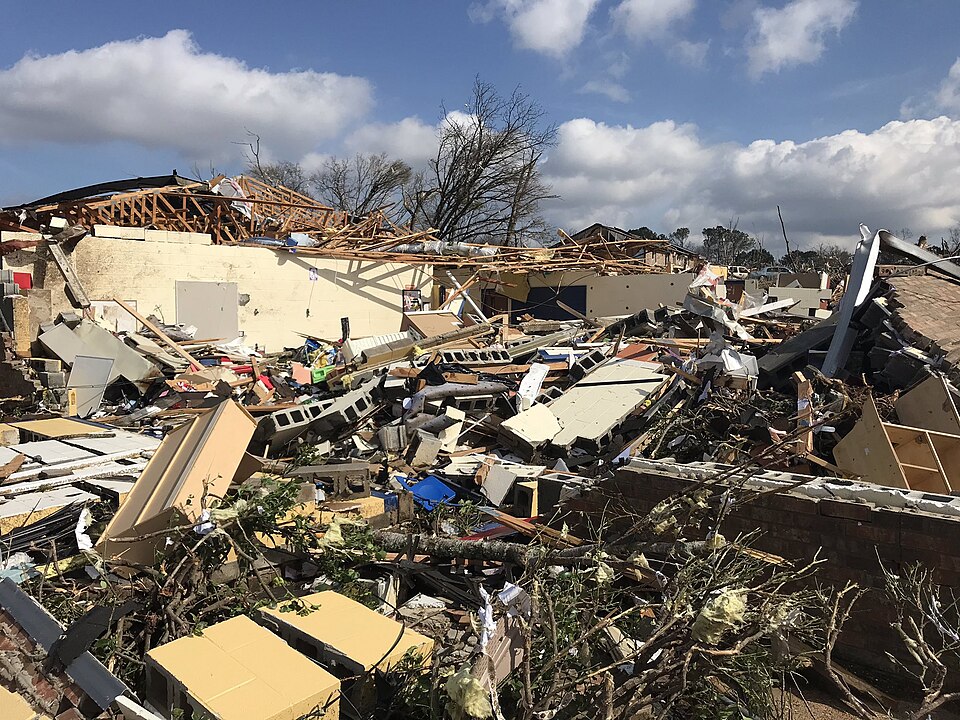
- Broken glass, nails, and sharp debris
- Unstable trees, walls, or partially collapsed structures
- Flooded areas or standing water that may be contaminated or in contact with live power lines and pose a risk of electrocution
If you detect gas, sparks, or structural instability, move away immediately and seek help.
Step 2: Check on Everyone’s Safety
Family Members
- Check each person (including yourself) for injuries
- Provide first aid for minor injuries using your emergency kit
- Call 911 for severe injuries, and be aware that services might be delayed in the impacted area
Pets
Pets are often overlooked in the chaos after a tornado.
- Leash or crate pets immediately to prevent them from fleeing and getting lost, and to protect them from hazards such as downed power lines, contaminated water, and dangerous debris
- Check for injuries
- Pets that are injured, confused, or stressed may exhibit behavior that isn’t typical, including biting
If you are still in the research phase for a storm shelter and you have pets, read about how much space you need in a storm shelter for your family and pets, and use my free storm shelter space calculator.
Step 3: Let Family and Friends Know You’re Safe
One of the most important early steps is communication.
- Send a text message or post that you are safe on social media
- Avoid sharing unverified damage details publicly
Having a communication plan ahead of time matters.
Step 4: Assess Whether Your Home Is Safe to Enter
Do Not Enter Your Home If:
- The structure is damaged…especially if it is leaning or partially collapsed
- You smell gas or hear hissing
- Floodwater is present inside the home
If You Do Enter
- Wear sturdy shoes, gloves, and eye protection
- Take photos before touching anything
- Shut off electricity, gas, and water if damage is suspected
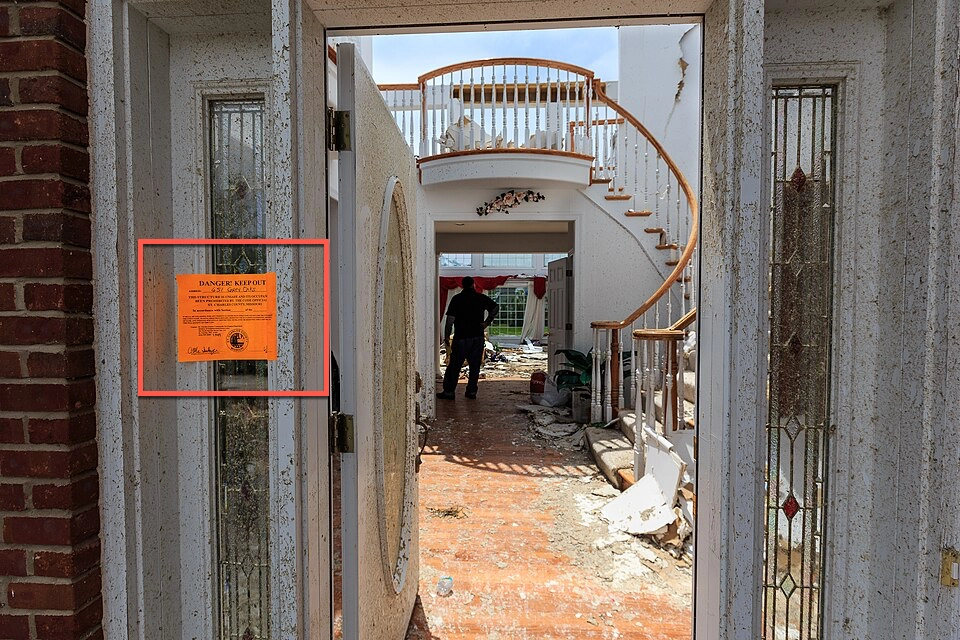
Storm damage assessment will begin very shortly after the storm. If officials place a yellow, orange, or red safety tag on your home, take it seriously. Entering a condemned structure may be extremely dangerous and may also impact insurance claims.
Step 5: Decide Whether You Need Temporary Shelter
If your home is unsafe or unlivable, temporary shelter becomes the next priority.
Common Options
- Staying with friends or family
- Hotels (keep receipts as these expenses may be reimbursable)
- Community emergency shelters
What About Pets?
Many shelters do not allow pets.
- Ask about pet-friendly shelters
- Look into temporary boarding options (local boarding, friends or non-impacted neighbors, family)
- Keep vaccination records if possible
This is why storm preparedness should always include pet evacuation planning, and not just human safety.
Step 6: Contact Utility Companies If the Home Is Not Habitable
If your home sustained significant damage and is not safe to occupy, one important but often overlooked step is contacting your utility providers as soon as possible.
Why This Matters
Damaged homes may have:
- Exposed electrical wiring
- Compromised gas lines
- Broken water or sewer connections
Even if utilities were disrupted during the storm, service may be restored automatically once repairs are made in the area. This can create new safety risks if your home isn’t ready.
What to Do
If the home is uninhabitable:
- Contact your electric company and request temporary disconnection
- Contact your gas provider to ensure service is shut off at the meter
- Contact your water utility if plumbing damage is suspected to have the water shut off at the meter
In many cases, utilities can:
- Suspend service safely
- Pause or reduce billing while the home is unoccupied and under repair
- Prevent accidental reconnection before repairs are complete
This step protects both your family and emergency responders, and it can help to avoid unnecessary charges during long-term repairs or rebuilding.
Step 7: Access Disaster Assistance
American Red Cross
The Red Cross often provides:
- Emergency shelter
- Food and water
- Basic clothing and supplies
- Emotional support and crisis counseling
Local assistance is often available within hours of a major disaster.
Federal Emergency Management Agency (FEMA)
If the area receives a federal disaster declaration, FEMA may provide:
- Temporary housing assistance
- Home repair or replacement aid
- Assistance for other essential needs
You will need to apply as soon as the application for disaster assistance opens.
Step 8: Contact Your Home Insurance Company
Once everyone is safe and immediate needs are handled, contact your insurance provider.
Document Everything
- Exterior and interior damage
- Personal property losses
- Temporary living expenses – keep receipts for hotels, meals, clothing and other essentials
- Temporary repairs to stop further damage – keep receipts for tarps, plywood for broken windows and other items you purchase to make these repairs
Photos and videos taken before repairs and cleanup are critical.
Avoid These Common Mistakes
- Starting major repairs too early
- Disposing of damaged items prematurely
- Accepting unsolicited contractor offers
Step 9: Contact Your Mortgage Lender If Your Home Is Severely Damaged
After a tornado, it’s natural to assume that major financial obligations pause. This is not automatically the case, especially when it comes to your mortgage.
What Homeowners Should Know
- You are typically still responsible for your mortgage payments, even if the home is damaged or unlivable
- Insurance claims and disaster assistance do not automatically pause loan obligations
- Missed payments can impact credit unless arrangements are made in advance
What You Can Do
If your home is severely damaged:
- Contact your mortgage lender as soon as possible
- Ask about disaster forbearance or temporary payment relief
- Document the damage and reference any disaster declarations if applicable
Some lenders offer short-term relief options after federally declared disasters, but you must request them. They are not applied automatically.
Planning for this reality early can prevent additional financial stress during an already difficult recovery period.
Step 10: Protect Yourself From Post-Disaster Scams
Disaster zones attract scammers.
Be cautious if someone:
- Pressures you to act immediately
- Requests cash-only payment
- Cannot provide licensing or references
Always verify credentials and get written estimates. You may not be in the best state of mind to make major decisions. Scammers prey upon people that are emotionally distraught, so take your time and do not be pressured into making an immediate decision.
The Federal Communications Commission provides solid tips on how to avoid being scammed following a disaster, and FEMA also shares tips on how you can identify potential fraud and scams.
Step 11: Emotional and Mental Health Matters
Surviving a tornado is traumatic, even if everyone is physically unharmed.
- Trouble sleeping
- Anxiety during storms
- Behavioral changes in children
These responses are normal. Support is available through relief organizations, community counselors, and healthcare providers. Emotional recovery matters just as much as physical recovery.
What to Do After A Tornado Hits Your Home: Take It One Step at a Time
After a tornado, it’s easy to feel overwhelmed. Focus on safety first, then take recovery one step at a time. Avoid rushing into decisions that could put your family at risk or complicate insurance and recovery efforts.
Preparedness doesn’t end when the storm passes. It continues in how you recover, rebuild, and prepare for the future.
If this experience highlighted gaps in your protection, I have an in-depth guide on how to choose the right shelter for your home and my storm shelter supplies checklist can help you plan improvements before the next storm.
If you’ve been through a tornado, what’s one thing you wish you had known or done differently in the hours or days after the storm? After reading this, do you plan to make any changes to your storm preparation plan, or add to your post-tornado plan or emergency supplies? Please comment below, or you can also reach out to me directly.