
Tornadoes are one of nature’s most unpredictable, destructive, and dangerous forces. They can strike with little or no warning, bringing destructive winds and flying debris that can devastate entire communities in minutes. For many homeowners, a storm shelter plays a vital role in staying safe during tornado season. However, simply having a storm shelter isn’t enough. You also need a comprehensive storm shelter supplies checklist so you can prepare in advance and be ready when you need your shelter.
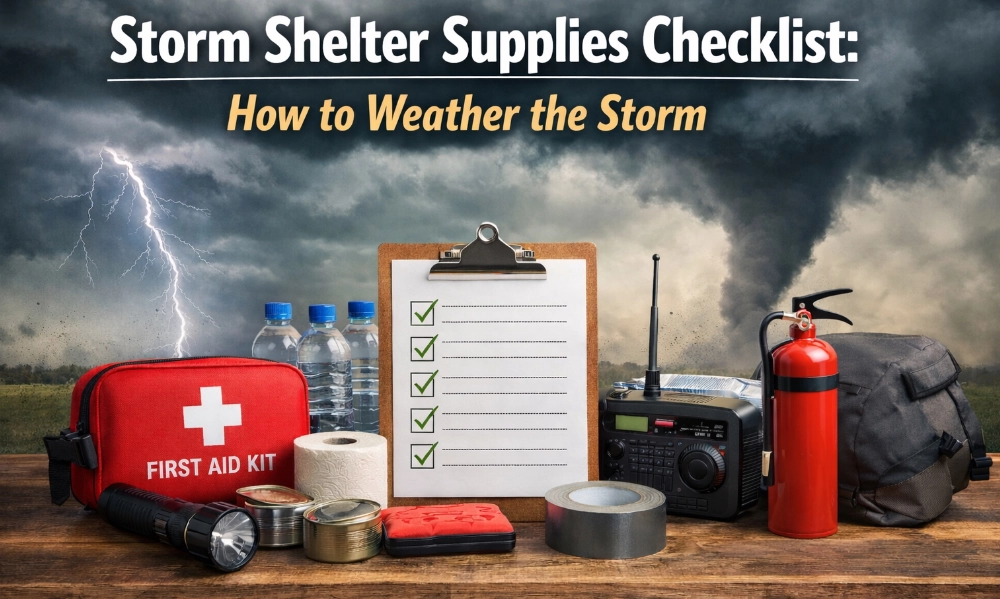
This article will guide you through the steps to ensure your storm shelter is fully prepared for tornado season so you and your family can confidently weather any storm.
If you’re still getting familiar with storm shelters and what to look for before buying one, my Storm Shelter Buying Guide explains the essential decision-making factors and safety standards that can help you choose the right shelter for your home.
Why A Storm Shelter Supplies Checklist is Crucial for Readiness
Tornadoes can occur at any time of the year, but they are most common during the spring and early summer months. More than 50% of tornadoes occur between April and June in the United States. This period is often called “tornado season,” when the conditions are most ripe for tornado activity. However, the unpredictability of these storms means that preparation should be a year-round priority, not just something you think about in the spring. Tornadoes can develop quickly and with little warning. When a tornado is forecasted, it might be too late to prepare. That’s why it’s essential to always have your storm shelter ready.
I wrote a separate article, “Important Storm Shelter Maintenance Tips for Safety and Longevity,” that covers routine storm shelter maintenance. Check out that article to ensure you keep your shelter in tip-top shape.
This article will focus on ensuring your shelter has the necessities and even comfort items you may want to keep readily available in the shelter. Having essential supplies in a storm shelter can make a significant difference in ensuring safety and comfort during severe weather events. The size of your shelter will be a factor in available storage space, so focus on the necessities if space is too tight. Also, you will need to occasionally inspect and rotate items near the expiration date.
I added links to a few items I store in my family’s storm shelter. When storing items, I found some extremely useful items for our above-ground steel shelter.
An over-the-door shoe organizer attached to the wall is a fantastic way to store and organize small items. The mesh pockets make it easy to see the contents, and it helps to keep smaller items out of the way. We discarded the hooks that came with it and used a few of the magnetic hooks mentioned below to attach the organizer to the storm shelter wall.
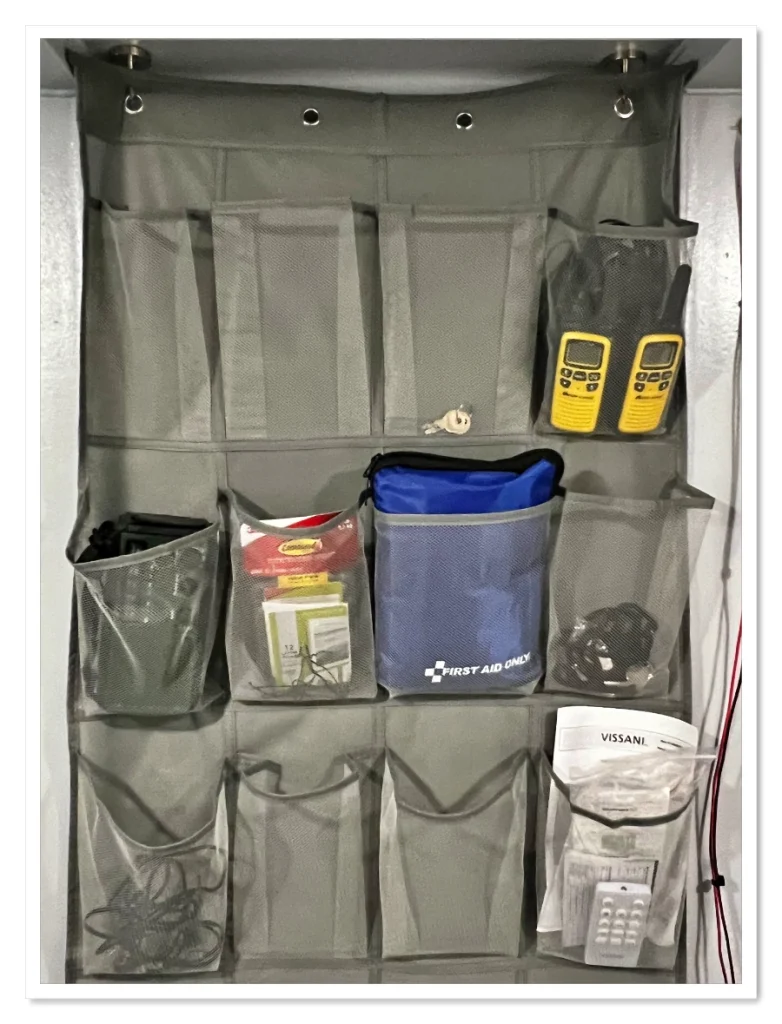
Heavy Duty Magnetic Hooks (40lb.) – comes in a pack of 10. We use these hooks to hold various items on the storm shelter walls. They work very well.
Heavy Duty Magnetic Hooks (150lb.) – comes in a pack of 6. These are incredibly strong! We use these magnets to hold our TV mount and our 12V DC to 120V AC power inverter to the wall. I will soon post an article that shows the full setup of our shelter, including our TV mount setup.

Basic Necessities
- Water: FEMA recommends at least one gallon of water per person daily for at least three days. While this seems like a lot to store, if you find yourself in a position where you need to remain in the shelter for a few days, you will be glad you had it!
- Non-perishable Food: A three-day supply of food items such as canned goods, granola bars, protein bars, dried fruit, and nuts. Don’t forget the manual can opener, if needed. Also, ensure a supply of infant formula, baby food, diapers, and wipes, if needed.
- Clothing and Bedding: Extra clothing, sleeping bags, blankets, and pillows will keep you more comfortable.
Emergency Essentials
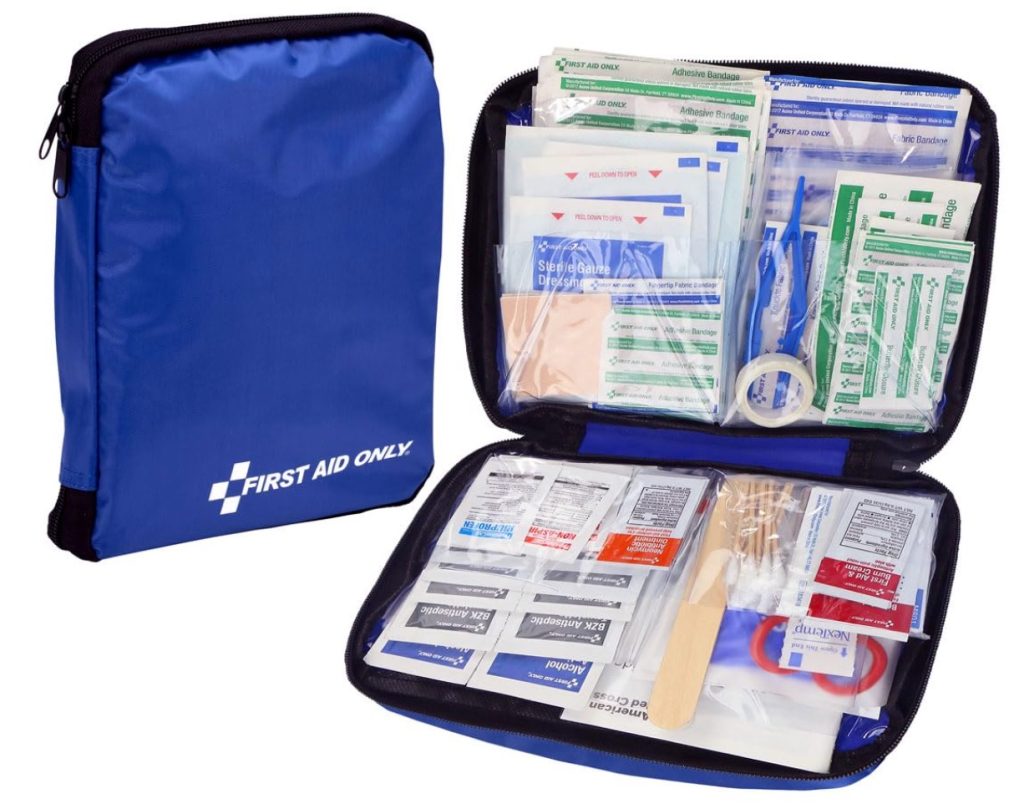
- First Aid Kit: Including bandages, antiseptics, pain relievers, prescription medications, and any special medical items required.
- Flashlights and Batteries: Multiple flashlights with extra batteries to provide light if the power goes out.
- Weather Radio: a battery-operated or hand-crank radio to receive updates and emergency broadcasts. NOAA weather radios are highly recommended.
- Cell Phone and Charger: A fully charged cell phone with a backup power source or portable charger.
- Emergency Whistle: To signal for help if you are trapped or in need of assistance.
Tools and Practical Gear
- Multi-tool or Swiss Army Knife: Useful for various tasks and emergencies. I keep the Leatherman Wingman in our shelter and I keep one in my truck, as well. These are handy tools!
- Duct Tape and Plastic Sheeting: For temporary repairs and sealing gaps.
- Fire Extinguisher
Personal Items
- Important Documents: Copies of identification, insurance policies, medical records, and other critical documents in a waterproof container.
- Cash: Small bills and coins. Consider that power may be out for days. Banks, ATMs, and stores may be closed or inoperable.
- Personal Hygiene Items: Soap, hand sanitizer, toothpaste, toothbrushes, sanitary napkins, moist towelettes, etc.
- Age-appropriate games/activities for children.
- Glasses and Contact Lens Supplies: If needed.
Additional Items or Considerations
- Books, Games, and Toys: For children (and even adults!) to pass the time.
- Map: Local maps for navigation in case of evacuation.
- Disposable Plates, Cups, and Utensils
- Masking Tape: To label items or for emergency use.
- Safety Gear: Gloves and eye protection at a minimum to protect against debris and to protect against injuries.
- Garbage Bags and ties to keep the shelter free of trash (i.e., disposable plates, cups, etc.) and for personal sanitation.
- Camp Toilet / Shower curtain for privacy – for those umm…activities that most of us perform daily.
- Pet food and water (and water bowl), if needed.
Preparing your storm shelter with essential supplies can make all the difference when severe weather strikes. While having the right gear ensures your basic needs are met, it also brings peace of mind knowing you’ve taken the steps necessary to protect yourself and your family. Regularly check and update your supplies to keep your shelter in peak condition, and always be ready for the unexpected. When the storm comes, you’ll know you’ve done everything possible to stay safe and secure. Stay prepared, and stay safe!
What else needs to included in this storm shelter supplies checklist? Comment below or contact me directly.