
A residential storm shelter is an investment that, if properly cared for through routine storm shelter maintenance, will provide safety, comfort, and peace of mind for many years. Regardless of your shelter type, ongoing storm shelter maintenance and cleaning are essential to ensure your shelter remains in tip-top shape and fully functional when needed. Regular inspections and maintenance can prevent minor issues from becoming big problems.
If you haven’t already reviewed the fundamentals of choosing the right shelter for your home, my Storm Shelter Buying Guide lays out the essential criteria and safety standards that will help you make more informed decisions before worrying about long-term maintenance.
So, what sort of storm shelter maintenance is necessary? Here are some key activities to include:
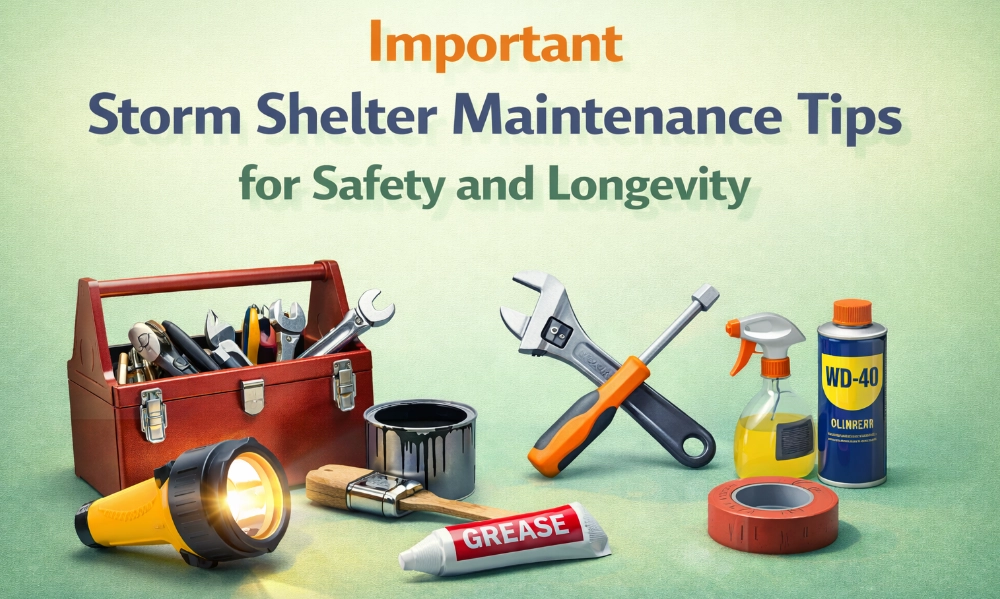
Structural Integrity
Maintaining the structural integrity of your storm shelter is critical to ensure it can withstand the powerful forces and debris impact of an EF5 tornado. Fortunately, modern storm shelters are built with longevity in mind. Simple storm shelter maintenance tasks are usually all that’s required to ensure structural soundness for the life of the shelter.
- Examine the walls, ceiling, and floor for cracks, broken welds, and leaks that may compromise the structural integrity of the storm shelter. Contact the storm shelter manufacturer if you find any issues.
- Examine anchor bolts that secure the shelter in place, fastener bolts for shelters assembled onsite, and any other hardware on the shelter. Tighten as needed or follow your manufacturer’s recommendation.
- For below-ground shelters, ensure dirt remains domed and packed at least halfway to the top of the shelter. Not only does the dirt provide additional protection from flying debris, but it will also assist in channeling water away from the shelter walls. This will reduce the risks of water intrusion.
- Also, for below-ground shelters, check for tree roots growing close to the shelter. As the root system develops, it may exert pressure on the shelter walls, eventually leading to cracks and leaks. Trees that may be especially problematic due to destructive root systems include the silver maple, white oak, walnut, and weeping willow.
- Check for rust and corrosion and treat as needed.
Doors and Locks
Doors and locks are critical components to the structural integrity of the storm shelter and need to be well maintained and operate smoothly.
- Ensure the shelter door opens and closes smoothly.
- Check functionality of all locks, latches, and locking pins to ensure they operate trouble-free.
- Lubricate hinges, locks, slide door rollers, etc. at least twice a year.
Water Intrusion and Environmental Control
Waterproofing is a critical aspect of storm shelter maintenance. Over time, seals and caulk may degrade, leading to water intrusion and mold. Inspecting and resealing any identified issues will keep the shelter dry and safe.
- Regularly check for signs of water intrusion, especially after heavy rain.
- Ensure door seals properly seals. Replace seals as needed or as recommended by the manufacturer.
- If applicable, periodically inspect caulk (seams, joints, vents, etc.) and repair as needed.
- Inspect for and address any mold and mildew issues on a regular basis.
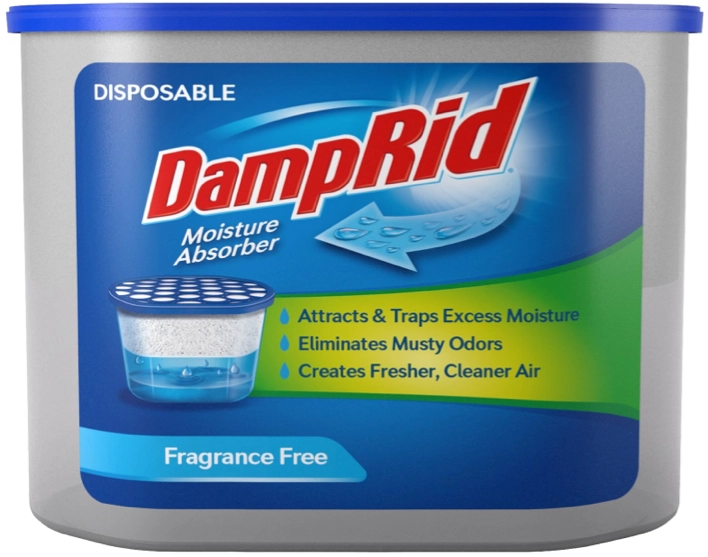
- Use a dehumidifier or moisture-absorbing products to maintain low humidity levels in the shelter. We discovered DampRid when we bought an RV several years ago, and it worked well. We now use it in our boat storage lockers and in our storm shelter, which works equally well to help with humidity control. Simple and effective.
- Test portable air conditioner, dehumidifier, and/or heater, as applicable.
Ventilation and Air Quality
Good ventilation is crucial in storm shelters, especially in smaller enclosed spaces. Over time, vents can become obstructed by dirt, debris, and pests. Regularly checking the ventilation as a part of your storm shelter maintenance routine will ensure a continuous supply of fresh air and good air quality.
- Maintain proper air flow by ensuring air vents are clear of debris and obstructions.
- If equipped, check for proper function of turbine roof vents (whirlybirds). These vents should spin easily and freely, without noticeable drag or squeaking. Also check for bent or damaged blades (i.e. from hail, broken limbs or other debris) as these will impact the performance and may also contribute to water intrusion.
- Clean or replace air filters, if applicable, as the manufacturer recommends. This will help to reduce dust, pollen, mold spores, etc., and maintain good air quality.
Power and Communications
- Test all installed communication/media devices, such as emergency radio, television, landline, or satellite phone.
- Ensure proper working order of power system: electrical outlets, generator, power banks, battery back-up, battery trickle chargers, DC-to-AC inverters, etc.
- Test all flashlights and emergency lights to ensure proper function.
Access and Egress
Although not technically part of the storm shelter maintenance, you need to ensure your shelter is accessible at all times. When taking shelter during a storm, a few seconds can mean the difference between life and death.
- Keep the pathway to the shelter clear of obstructions and tripping hazards.
- Relocate items that might create a barrier or slow entrance to the storm shelter.
- Ensure that family members know how to access the shelter and have a plan for anyone with accessibility challenges.

Clean and Declutter
- Keep the shelter clean and free of dust and debris. Sweep and mop the floors or vacuum carpets, and dust all surfaces and equipment.
- Disinfect all surfaces to kill germs and bacteria that may be present. Use disinfectant to clean all surfaces, including the walls, floor, and ceiling.
- Remove any items that could obstruct the entrance or exit paths.
Emergency Supplies
Ensuring adequate emergency supplies is another crucial aspect of storm shelter maintenance. Depending on the situation, a storm shelter may only be needed for 15-30 minutes. Or, it might be occupied for a few days during a hurricane. Regardless of how long or how often you and your loved ones need to take shelter, it is essential to have emergency supplies accessible.
- Rotate and replenish emergency supplies such as food, water, first aid items, and batteries.
- Check expiration dates and replace expired or expiring items.
Pest Control
- Inspect for openings or gaps that might allow pests to enter the shelter.
- Take proactive steps to eliminate pests.
Communication and Emergency Plans
- Regularly review emergency plans with all household members.
- Review and update emergency contact numbers or procedures as needed.
- Ensure all signs and instructions (emergency procedures, instructions for communication equipment, emergency contacts) are current and prominently displayed.
Storm Shelter Maintenance is Easy-Peasy!
At first glance, this may seem like a lot to undertake for routine storm shelter maintenance. However, breaking these activities into monthly, quarterly, semi-annual, or annual activities will make it easily manageable. Plus, performing these routine tasks will ensure your storm shelter remains safe, functional, comfortable, and ready to use when needed.
What additional storm shelter maintenance tasks should I include on this list? Please comment below or you can reach out to me directly.