
Storm shelters are one of the best ways to protect your family from tornadoes and severe weather, but they often come with a hidden challenge. Humidity! If you’ve ever opened your shelter to find it smelling musty or noticed moisture collecting on the walls, you’re not alone. Underground or partially underground shelters are naturally prone to dampness, especially during the summer months, but above-ground shelters (like mine) also face this problem!
Enter DampRid, a simple, low-cost, and highly effective way to tackle humidity before it becomes a problem.
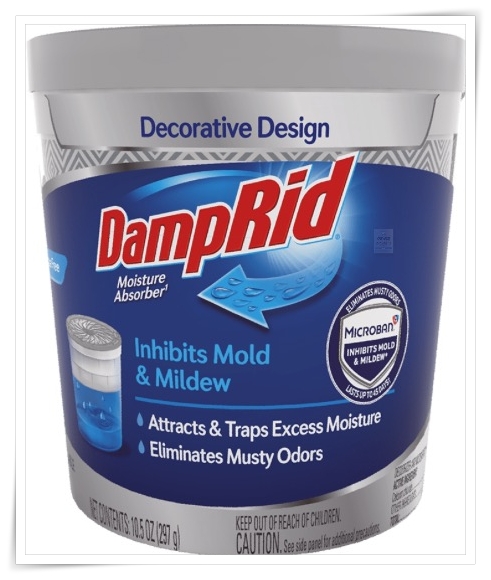
Note: This article is not an advertisement for DampRid. I received no compensation or products from the company, and I am not affiliated with the company in any way. I’m just a happy, long-time consumer of the product, and I can recommend it based on my personal experiences. First, we used it in our RV. Now, I use it in our storm shelter and in our boat storage lockers. It simply works.
Managing moisture in your shelter is an important part of long-term care, but if you’re still exploring what to look for when choosing the right tornado shelter and understanding the broader safety standards, check out my Storm Shelter Buying Guide for the foundational criteria that every homeowner should consider before making decisions about accessories and maintenance.
Why Humidity Is a Problem in Storm Shelters
Storm shelters are notorious for humidity issues. This is especially true in the summer months when higher temperatures and summer storms can supercharge the humidity problem.
When outdoor temperatures rise in the summer, warm, humid air meets the cooler interior walls of your shelter, resulting in condensation. This can make it difficult to keep the shelter completely dry. An underground shelter is surrounded by soil, which naturally retains moisture and adds to the problem. Above-ground shelters also experience higher humidity due to a combination of factors, such as temperature differences and limited airflow. Steel shelters don’t absorb moisture, which leads to condensation beading on the surface. I discovered this the first summer after we bought our shelter, before I began using DampRid.
Even in well-sealed shelters, moisture can seep in through ventilation systems and entry points. The result is a space that feels damp and uncomfortable.
Damage to Storm Shelter Supplies
A damp storm shelter isn’t just uncomfortable; it can damage your supplies. Paper products, first-aid kits, and other packaging can absorb moisture, rendering them unusable when you need them most. Electronics, batteries, and other equipment may corrode over time.
Mold and Mildew Growth
Humidity provides the perfect environment for mold and mildew to grow. This can not only create unpleasant odors but can also trigger allergies, respiratory issues, and health problems—especially in enclosed spaces where airflow is limited.
What Is DampRid and How Does It Work?
DampRid is a moisture absorber made from calcium chloride crystals that pull excess moisture from the air and trap it in a container. It’s a safe, non-electric, budget-friendly, and mess-free solution that helps to keep enclosed spaces dry.
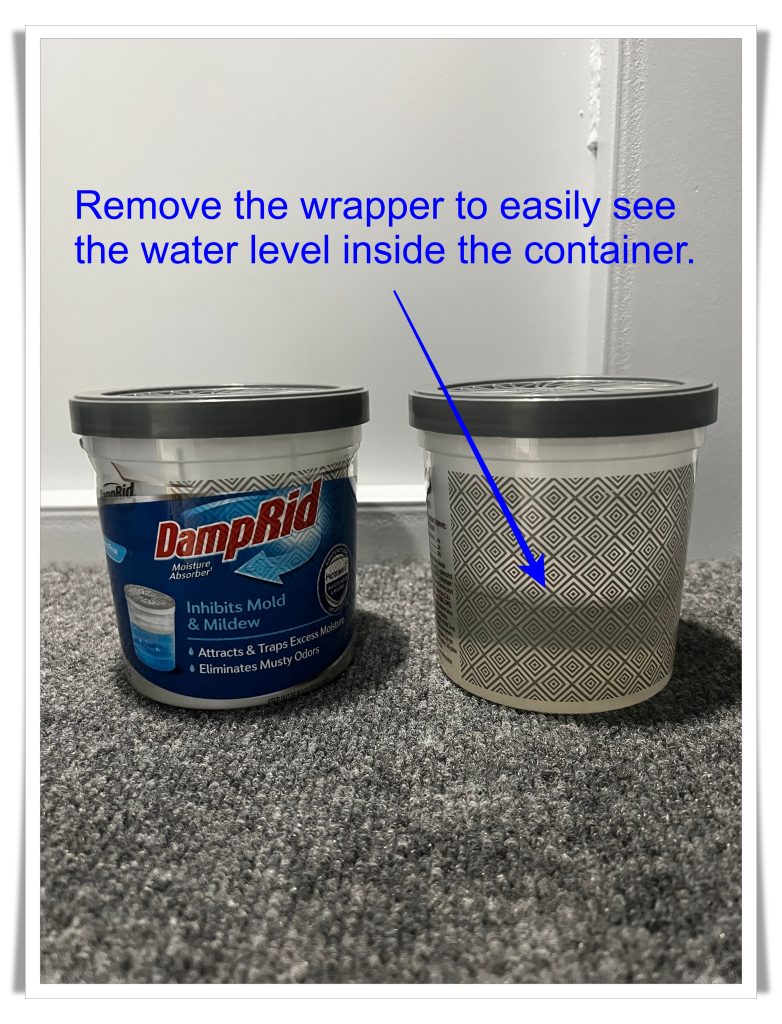
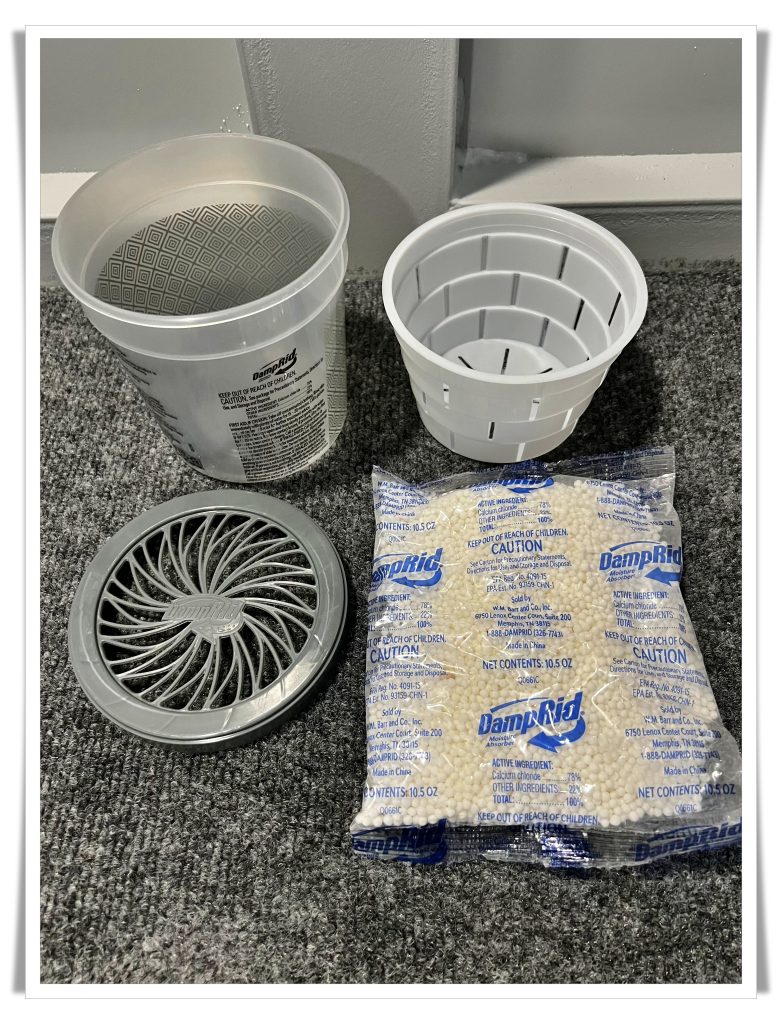
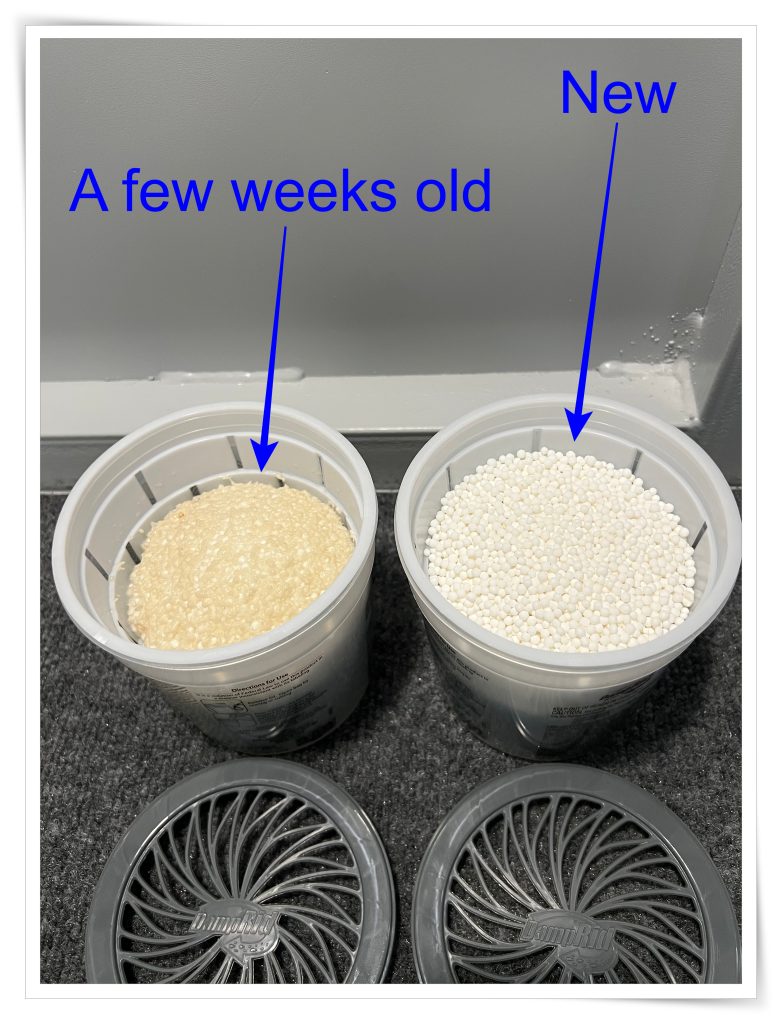
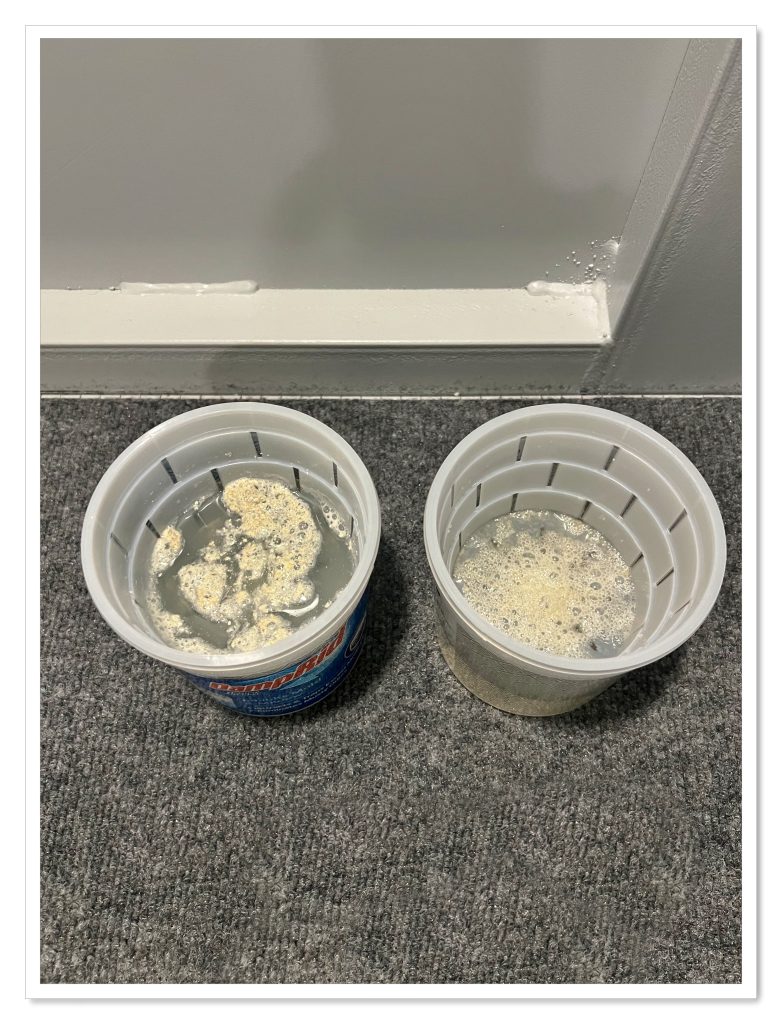
Unlike electric dehumidifiers, DampRid doesn’t require a power source. This makes it perfect for storm shelters, especially those without an electrical setup. The crystals gradually dissolve as they collect moisture, and when the container fills with liquid (as in the photo below), you simply replace it.
The product is available in a fragrance-free version and also in several fragrances: Fresh Scent, Vanilla Lavender, and Pure Linen. I prefer the fragrance-free version because I found the others a bit too overpowering in our storm shelter.
Key Benefits of Using DampRid in a Storm Shelter
DampRid is more than just a convenience item; it can help extend the life of your shelter and supplies. Here are some of the biggest benefits:
Eliminates Musty Odors: Humidity creates that unmistakable musty smell, which can be unpleasant to sit through during a storm. DampRid absorbs excess moisture, leaving your shelter fresher and more comfortable.
Prevents Mold and Mildew: Mold and mildew thrive in damp environments. DampRid helps keep humidity levels in check. This prevents mold growth before it begins, protecting both your health and your shelter.
Protects Storm Shelter Supplies: From first-aid kits to coloring books that keep your small children occupied during a storm, your shelter likely holds supplies you don’t want to lose. DampRid helps to keep them safe and dry.
Power-Free and Low-Maintenance: Because it doesn’t require electricity, DampRid works even if your shelter doesn’t have a power source, or if you lose power during a storm. There’s no need for a power supply or to empty a dehumidifier tank. You simply replace the container as needed.
Affordable and Easy to Replace: DampRid is a low-cost product that can be purchased at most home improvement stores, grocery stores, and on Amazon. Replacements are easy to find, making it a practical solution for homeowners.
Best Practices for Using DampRid in a Storm Shelter
To get the best results, follow these tips:
Placement
- Place DampRid near corners or low areas where moisture tends to collect.
- Add a container near the shelter door to absorb moisture that sneaks in when you open it.
- If you store supplies on shelves, place DampRid nearby to prevent moisture damage.
Sizing and Quantity
- Small shelters may only need one container, while larger shelters may need more.
- For ongoing use, consider refillable DampRid containers or larger tubs for high-capacity absorption.
Replacement Schedule
- Check containers every 30–60 days, or sooner during humid summer months.
- Replace when the crystals are fully dissolved, or when the container fills with liquid.
Combine With Other Routine Maintenance Measures
DampRid is highly effective, but it works best when combined with other preventive measures:
- Sealing cracks and gaps in your shelter’s walls or entry points.
- Using weatherstripping to reduce moisture intrusion.
Comparing DampRid to Other Humidity Solution
When it comes to managing humidity, DampRid isn’t your only option, but it’s often the best fit for storm shelters. Here’s how it stacks up:
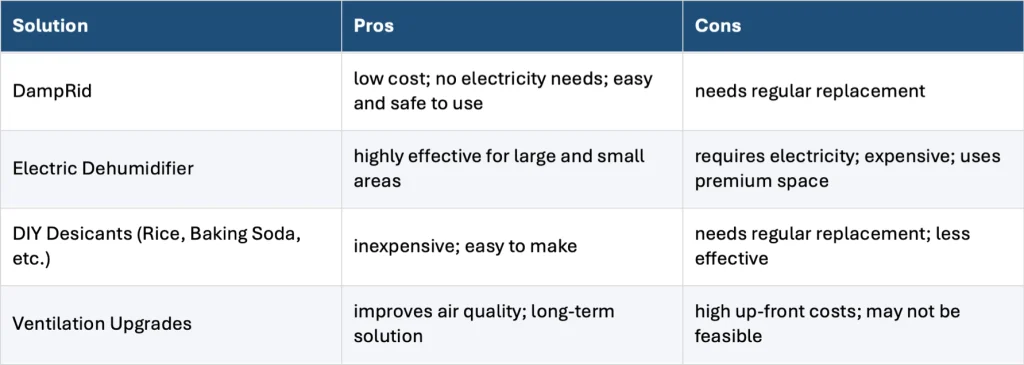
DampRid provides an affordable, low-effort moisture control solution that doesn’t depend on electricity, making it ideal for a storm shelter environment.
Make DampRid Part of Your Routine Storm Shelter Maintenance
Your storm shelter is a lifeline during severe weather, but only if it’s maintained properly. Humidity may seem like a minor inconvenience, but over time it can cause serious problems—from musty odors and mold growth to rust and damaged supplies and equipment.
DampRid is a simple, affordable, and electricity-free solution that helps keep your storm shelter dry and ready year-round. Adding DampRid can protect your shelter, your supplies, and your peace of mind. It’s an easy, small step that can make a big difference.
For other tips on properly maintaining your storm shelter, check out my article, “Important Storm Shelter Maintenance Tips for Safety and Longevity”.
Already using DampRid or some other humidity-control product? Or, do you have your own tips for keeping a storm shelter dry? Share in the comments section. Or, drop me a line and let me know what’s working for you.