
A residential storm shelter is a significant investment. When buying a storm shelter, you must consider numerous factors to ensure it meets your needs and provides the utmost protection and peace of mind. It is important to do your homework before making this important decision.
For an even broader overview that ties all of these considerations together into a step-by-step framework for choosing the right shelter, check out my Storm Shelter Buying Guide, which breaks down the essential factors every homeowner should understand before making a purchase.
Here are ten points to consider when buying a storm shelter:
1. Safety Guidelines and Standards
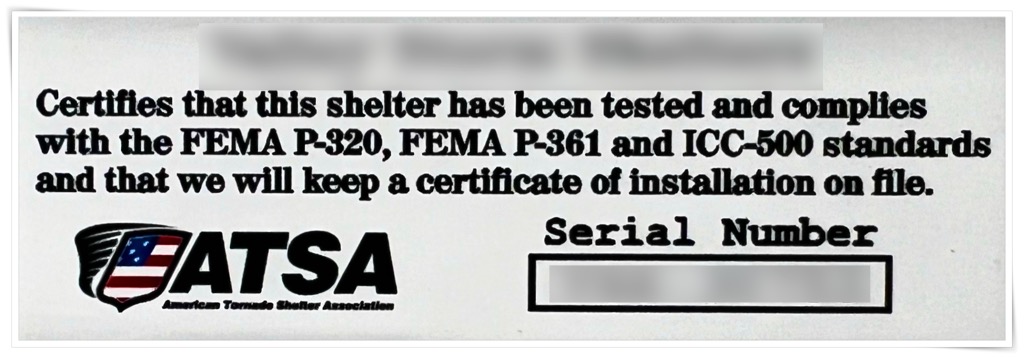
The most important decision you can make when buying a storm shelter is to ensure the shelter meets or exceeds all compliance standards. If the shelter does not meet the rigorous FEMA (Federal Emergency Management Agency) guidelines and ICC (International Code Council) standards referenced below, it could fail during a significant weather event, leading to injury or death of its occupants.
- FEMA P-361 (4th ed., April 2021)—”Safe Rooms for Tornadoes and Hurricanes: Guidance for Community and Residential Safe Rooms”. This latest version includes updated and refined criteria for constructing a shelter that will provide “near-absolute protection from wind and wind-borne debris for occupants.” It uses the ICC 500 (mentioned below) as a reference standard.
- FEMA P-320 (5th ed., March 2021)—”Taking Shelter from the Storm: Building or Installing a Safe Room for Your Home”. This edition presents the latest criteria for residential safe rooms through reference to FEMA P-361 (2021) and focuses on “how to design and construct a safe room for a one- and two-family dwelling.” This publication includes guidance to residential consumers and is a good source for research when buying a storm shelter.
- ICC 500 Standard, also known as the “ICC/NSSA Standard for the Design and Construction of Storm Shelters,” outlines specific requirements for constructing residential tornado shelters. It was published with the ICC and the National Storm Shelter Association (NSSA).
- What’s the Bottom Line? Shelters that adhere to FEMA P-320 and FEMA P-361 guidance and ICC 500 standards are the safest on the market and are constructed to withstand the impact of wind and wind-borne debris from an EF5 tornado. According to FEMA (P-361, April 2021), “There has not been a single reported failure of a safe room constructed to FEMA criteria.” You can read more on how storm shelters are tested in my article, “How Storm Shelters Are Tested for EF-5 Tornadoes”.
2. Shelter Type
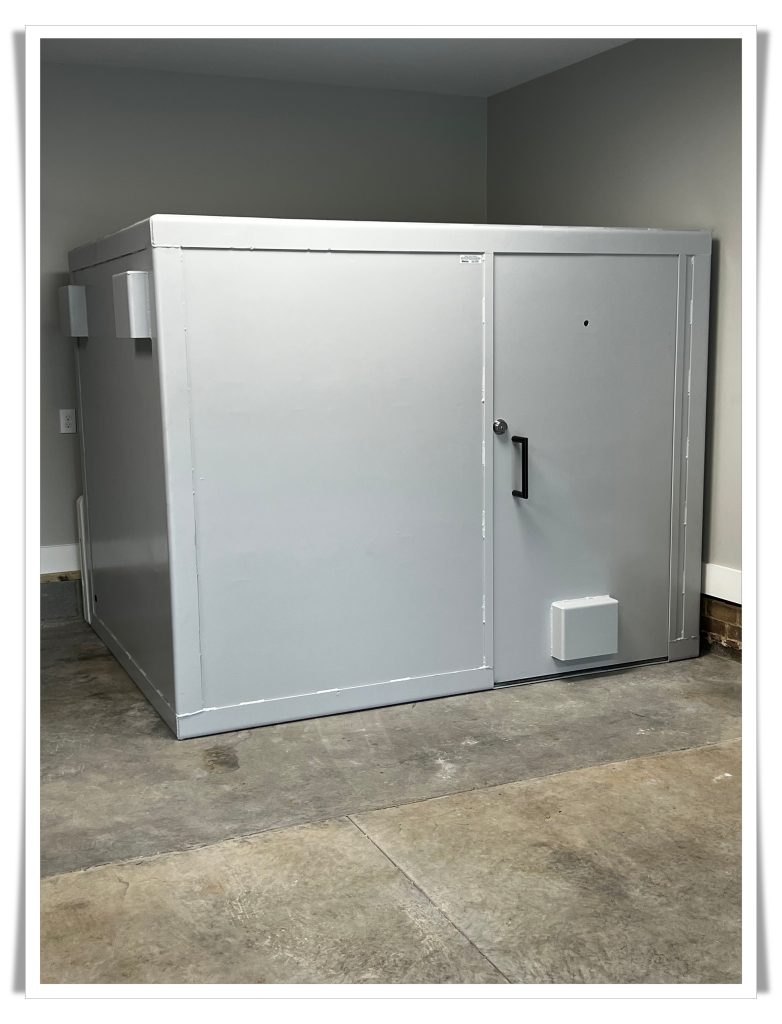
One obvious decision you must make when buying a storm shelter is the type of shelter you need. Several factors will help to guide this decision, such as whether you plan to install the shelter in a new (under construction) or existing home, the terrain, mobility challenges, and the shelter’s installation complexity.
- Above–ground shelters are easier to access, especially for older family members or those with mobility challenges. They are installed on a concrete foundation in garages, basements, or outside.
- Below-ground, shelters are typically installed in the garage floor or the yard.
You can learn more about the pros and cons of above-ground and below-ground shelter types in my article, “Which Type of Home Storm Shelter Is the Safest?”
3. Size and Capacity
- Ensure the shelter can comfortably accommodate your family and pets.
- Consider extra space for mobility needs, such as a wheelchair. For example, a 5’x8′ shelter would be sufficient for the four family members in our home. However, my son is in a wheelchair, so more space for quick and easy maneuverability was important. That was a deciding factor in purchasing a 6’x8′ shelter over the smaller unit.
- In addition to considering space for family members and pets, ensure enough space for emergency supplies or even “comfort items” that go beyond the essentials.
- For more information on storm shelter space requirements, check out my article, “How Much Space Do I Need In A Storm Shelter?”, which covers this topic in greater detail. You can also use my storm shelter size calculator to enter different variables (number of people being sheltered, mobility considerations, pets, etc.) to see a recommended size for planning.
4. Construction Material
Common construction materials include steel, concrete, and reinforced fiberglass. Whatever the material, it must withstand the effects of an EF-5 tornado with winds of 250 mph.
5. Proper Ventilation
Ample ventilation protects against suffocation, especially when the shelter has a tight seal. Ensure the selected shelter includes adequate built-in natural ventilation and meets rigorous FEMA requirements, including the number and placement of vents based on the size of the shelter.
6. Location and Accessibility
Quick access to your shelter during a weather emergency is critical. When deciding on a location, consider the shelter’s proximity to your home’s main living areas. Outside shelters must be no more than 150 feet from an exterior door of the house.
7. Optional Features
Many storm shelter companies offer an array of optional features and accessories. Examples include LED lighting, battery backup systems, AC to DC inverters, TVs with external antennas, emergency communication systems, air conditioning, bullet-proof peepholes and windows, lockable storage benches, gun safes, and even bathrooms! These upgrades come down to personal preference. It is worth noting that homeowners can buy many (or all) of the upgrade accessories on Amazon or in local stores and install them for a fraction of the cost.
8. Price Point
The cost of storm shelters varies widely. Variables such as shelter type, construction material, shelter size, optional features, installation location, location complexity, etc., factor into the overall cost. Be sure to ask about sales tax, delivery fees (especially outside a specific radius), excavation and rock removal for in-ground shelters, etc. Also, ask about possible FEMA grants or other rebates when buying a storm shelter. Finally, many companies offer financing.
9. Maintenance and Warranty
Routine maintenance of your shelter will ensure it remains safe and operational for many years. Talk to storm shelter companies about the ease of maintenance and ensure you understand the manufacturer’s warranty.
10. Reviews and Recommendations
Finally, read customer reviews and ask neighbors, friends, family, and others for recommendations.
Considering these factors when buying a storm shelter will help you choose one that best meets your needs and provides the maximum protection for your family.
What other factors should homeowners consider when buying a storm shelter? Leave a comment below or drop me a line.